The Legacy of CBGB and New York’s Punk Scene
Intro: The Club That Shouldn’t Have Mattered (But Did)
It’s kind of wild when you think about it.
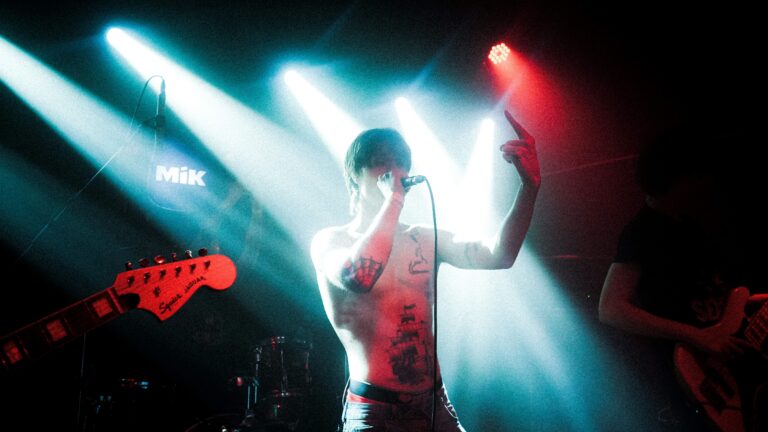
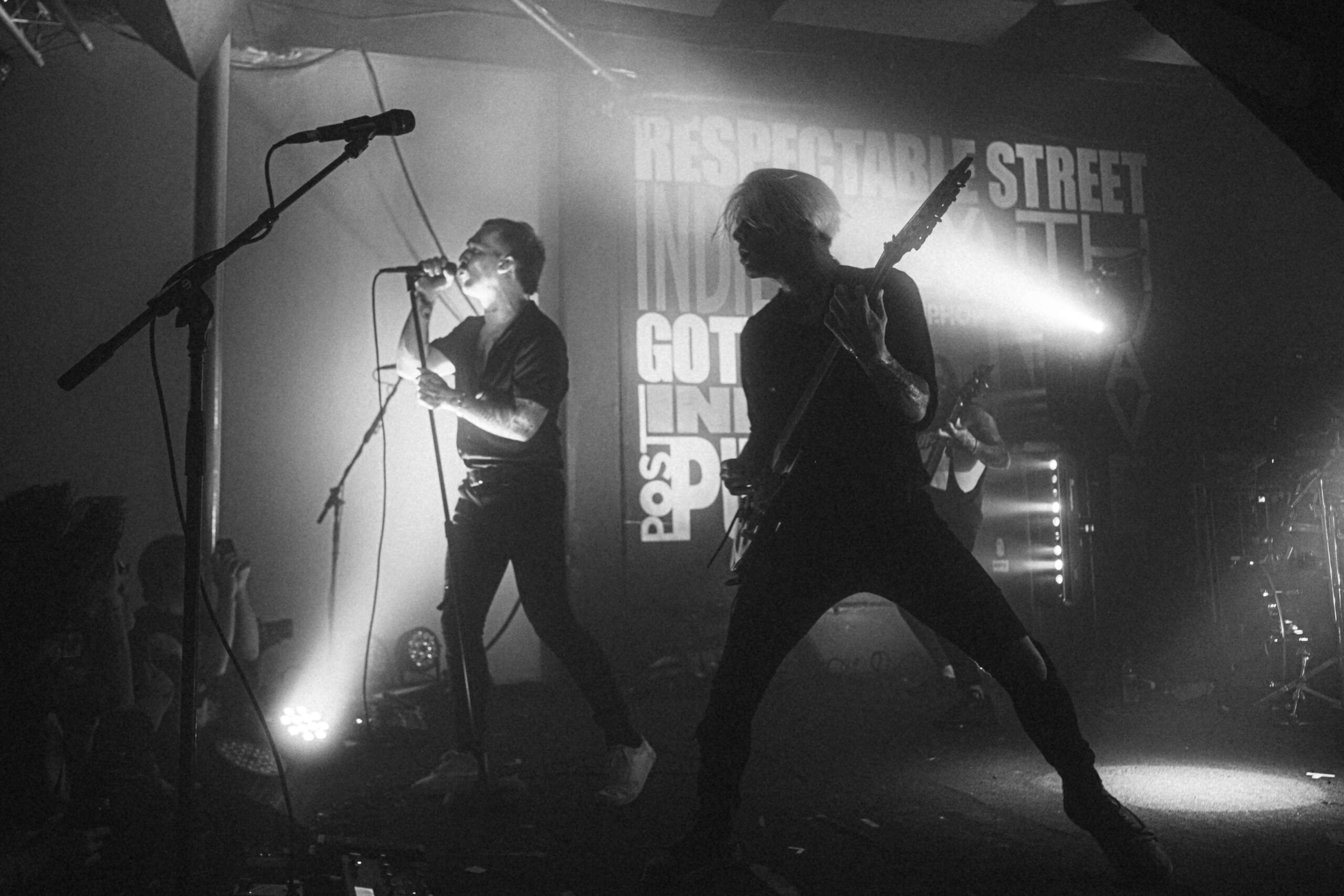
One small, grimy club in New York City ends up shaping an entire genre. No big production. No grand vision. Just a space that gave weird, loud, misfit bands somewhere to play.
That was CBGB.
And even now—long after it’s gone—its influence hasn’t faded.
A Home for the Unpolished
CBGB wasn’t built for punk.
It was supposed to be a venue for country, bluegrass, and blues. But somewhere along the way, it became something else entirely.
It became a home for bands that didn’t fit anywhere else.
Groups walked in with:
- Rough sounds
- No clear identity
- Zero industry backing
And instead of being turned away, they were given space.
That space mattered more than anyone realized at the time.
The Birth of a Movement
Once a few bands found their footing, things escalated quickly.
The venue became a hub—a place where:
- Musicians connected
- Ideas spread
- Sounds evolved
It wasn’t polished. It wasn’t organized.
But it was alive.
And that energy turned into something bigger than just a venue—it became a movement.
Why It Still Echoes Today
CBGB is gone. The building changed. The scene moved on.
But the idea behind it? That stuck.
Every time a small venue gives a new band a shot, that legacy continues.
Every time a scene builds itself from nothing, you can trace it back to places like that.
Because CBGB proved something simple but powerful:
you don’t need perfect conditions to create something important.
Conclusion: More Than a Venue
CBGB wasn’t just a club.
It was a catalyst.
A reminder that sometimes all it takes is one space, one chance, and a handful of people willing to be loud.
So here’s the question:
Do you think a place like CBGB could exist today—or has the environment changed too much?