The Intersection of Spoken Word and Punk: How Poetry Changed Live Performance
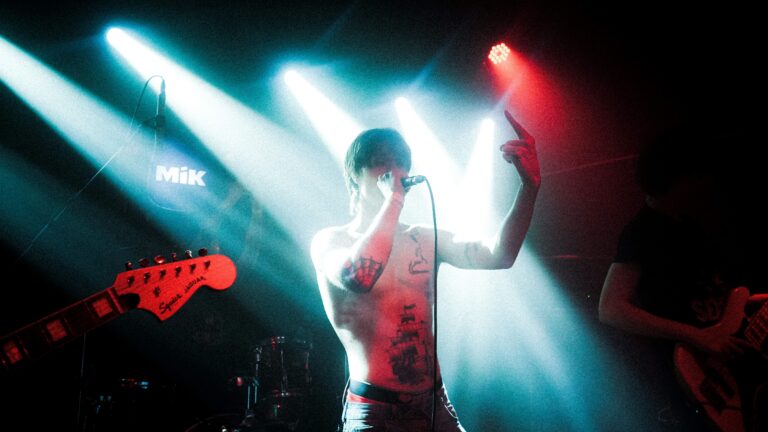
I was on stage at a basement show in 2009, belting out my poems to a three-piece band that heard every word I was saying—and nobody else did. The sound was so deafening it swallowed my voice whole, and about half the audience just left. I paid a $200 venue fee to put myself through that.
And I went home feeling like maybe the form had no place in those rooms. Obviously, I was wrong. It took me years of thinking about it to understand why it didn’t work.
The Punk Scene Didn’t Need Poetry—it Already Had It
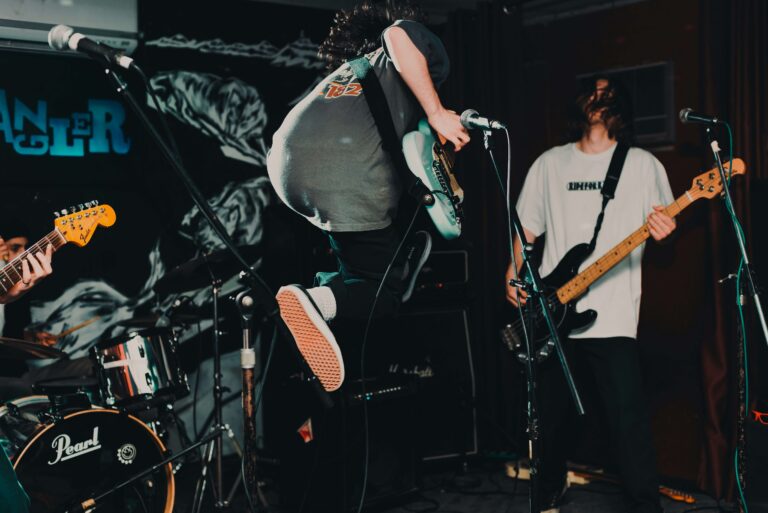
When I was trying my hardest to insert my poetry into the punk scene, I didn’t realize just how well familiar with the traditional forms of that scene the people who went to those shows already were. Punk was never just about distortion and breakneck riffing. It grew from the same city-based, beat poet ghosts we see all through the history of the form.
Iggy and the Stooges didn’t come by way of the factory farms of music school; they came from the Detroit poetry scene, from the garage where they’d spent years spitballing ideas with the Velvet Underground. Patti Smith was reading her poems in front of audiences—paging through her notebooks with her guitar and her audience—long before rock music and the New York Dolls came into her life. Jim Carroll was hanging around the St. Mark’s Poetry Project before he commandeered the bands of a generation. So when I went to drag my words to their pig-hearteyed music, I was missing what it was about. The poems were already there.
I just wasn’t fluent enough to connect the dots yet.
Why Integration is More Important Than Addition
The error I made—and I see others making every day—is viewing spoken word as an add-on to music, an extra topping on the musical cake. Thinking you get what you want more and more until you reach a kind of saturation point.
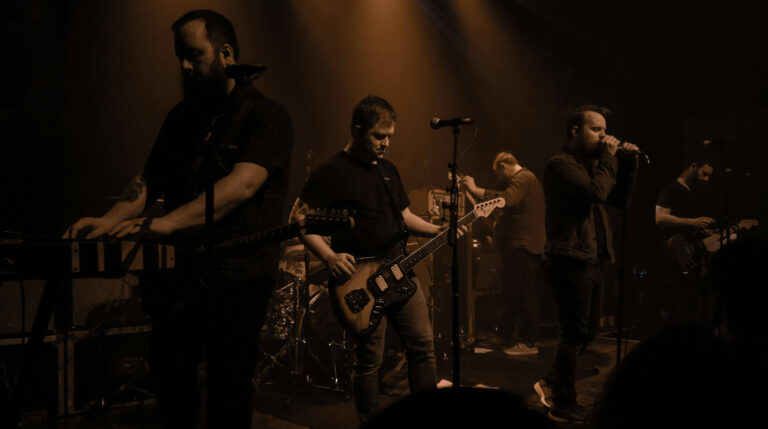
That almost never works. The real litmus test of a good performance, the ones that stay with audience members and shake them up, is the degree to which the music and the words grow directly from each other’s roots. When Saul Williams brought his words to life with bands in the early 2000s, he wasn’t reciting over mp3 instrumentals; he was yet another percussion instrument in the combo.
His vocals defined the groove. The band synced their band on his phrasing, not theirs on his. Here’s a practical tip: if you want to do spoken word with a band, rehearse long before the show—longer than you think you need to.
Write the music around the rhythms of your poem. Or, write a new poem to honor your music. Trying to do the middle ground—fitting the words into the music—just muddles the effect.
And I know this may sound callous, but I can’t imagine this strategy working well with more austere poetic styles. Poems that sacrifice musical repetitions for complex images might require silence. But performance-oriented free form poetry can marry itself to musical accompaniment in a way that amplifies everything.
The Audience Doesn’t Care About Your Genre Terms
People love categorizing:
- Is it just sound poetry?
- Spoken word?
- Performance art?
- Theater?
I have heard way too many Death By PowerPoint discussions about this. I don’t think the audience cares. They want to feel alive, enlightened, or changed in some way.
They want whatever show you or I put on to be worth the $10. The link between punk and spoken word is predicated on punj more than craftsmanship. It’s an attitude, a method, that respects presence.
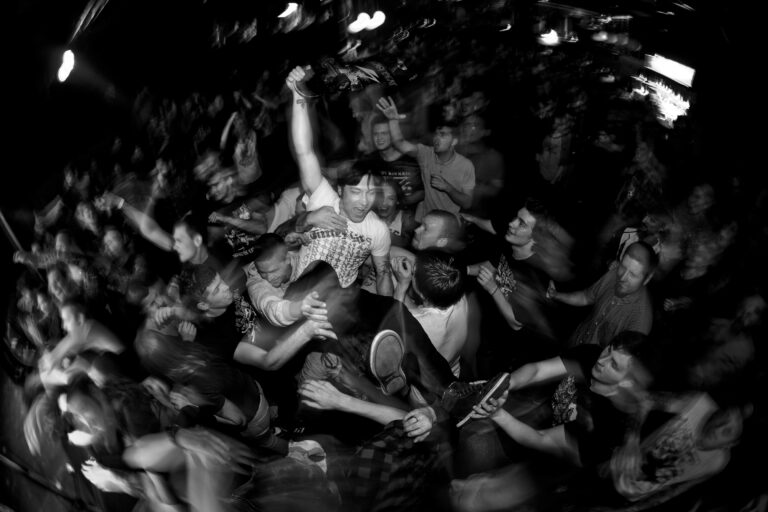
Forget your part—and it doesn’t matter if you’re singing or spoken word or acting theatrically—you’re just another person up there. Breath stray, forehead shining, voice fractured, and trying to connect with your audience to take something out of the room. Pulled off that basement show, I learned I was definitely doing it right by the show’s end.