Activism Through Music: Artists Who Changed the World
Intro: When Music Stops Being Background Noise
Some music you listen to.
Some music listens back.
And then there’s the kind that demands something from you—attention, discomfort, action.
That’s where activism through music lives.
Loud, Direct, Impossible to Ignore
Some artists don’t leave room for interpretation.
They say exactly what they mean, and they say it loudly.
That kind of music isn’t designed to be easy.
It’s designed to:
- Challenge
- Confront
- Push back
And yeah, it can be polarizing.
But that’s the point.
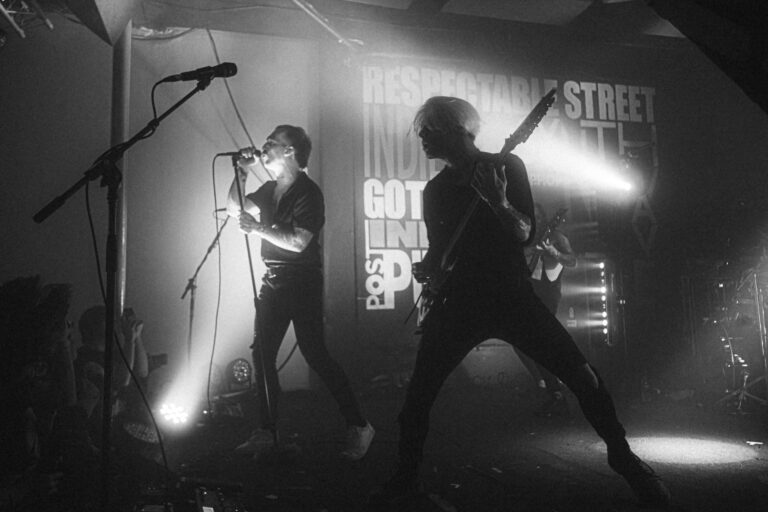
Punk as Protest
Punk didn’t invent activism in music—but it definitely amplified it.
From the beginning, it was about rejecting systems that didn’t make sense.
Not subtly. Not politely.
Directly.
That energy carried through generations:
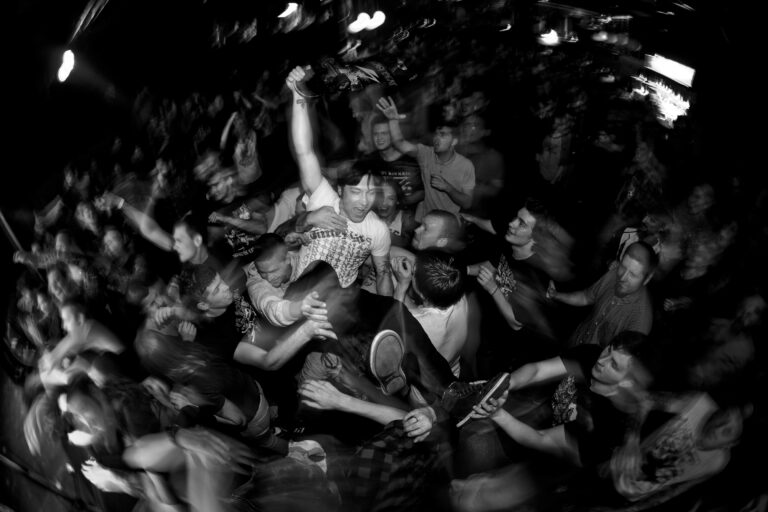
- Hardcore scenes tackling political frustration
- Riot grrrl confronting gender inequality
- DIY communities building alternatives
It wasn’t just music. It was action.
The Personal Side of Activism
Not all activism is loud.
Sometimes it’s deeply personal.
Songs about identity, mental health, or lived experience can hit just as hard as any political anthem.
Because they:
- Create empathy
- Open conversations
- Make invisible struggles visible
And that kind of impact? It lasts.
Conclusion: Still Necessary, Still Evolving
It’s easy to think activism in music peaked decades ago.
It didn’t.
It just changed shape.
Different issues. Different voices. Same core idea:
say something that matters.
And as long as there are things worth saying, music will keep being a tool for change.
So here’s the question:
Do you think music should always have a message—or is it okay for it to just exist without one?