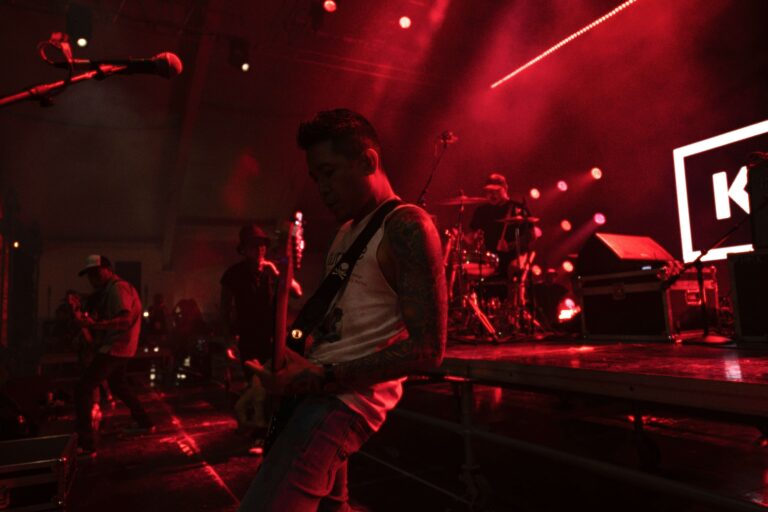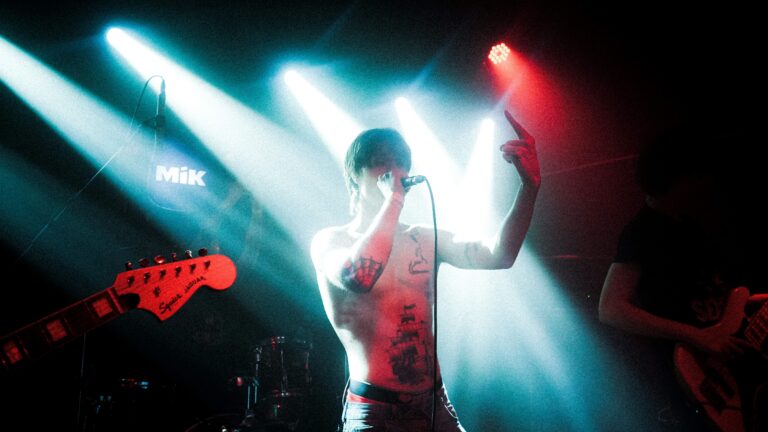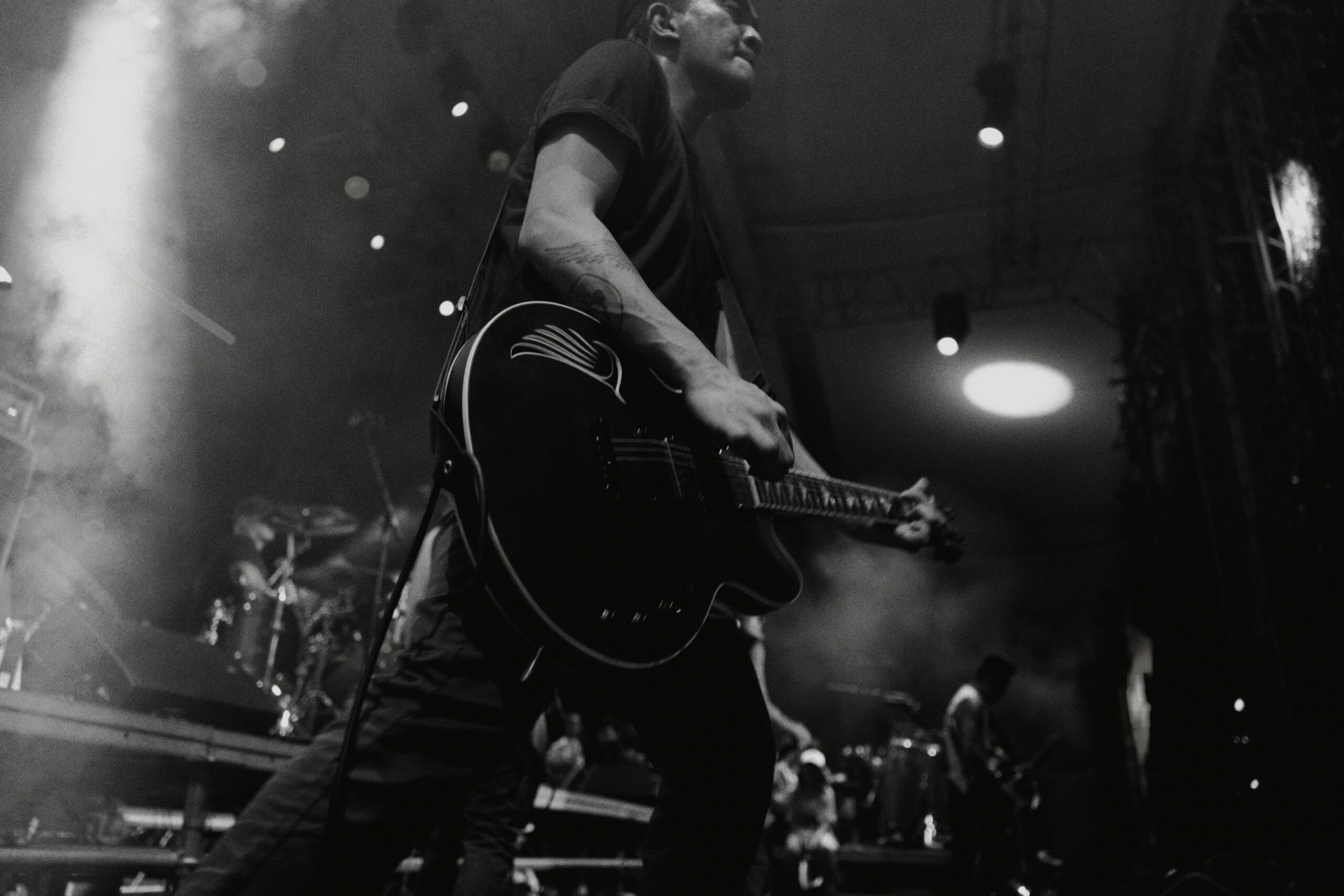
The Rise of Independent Punk Musicians in the 1990s
Intro: When Punk Went Underground… and Got Stronger
Everyone loves to talk about the ’90s like it was all about big alternative rock breaking into the mainstream. But that’s only half the story—and honestly, it’s the boring half.
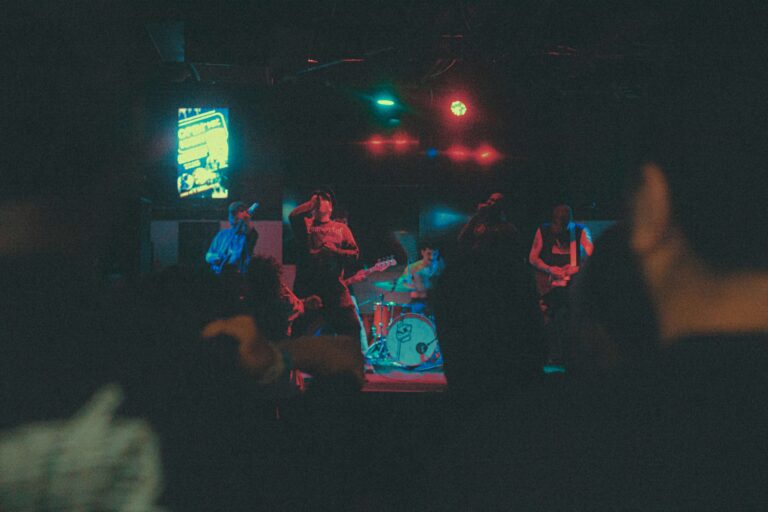
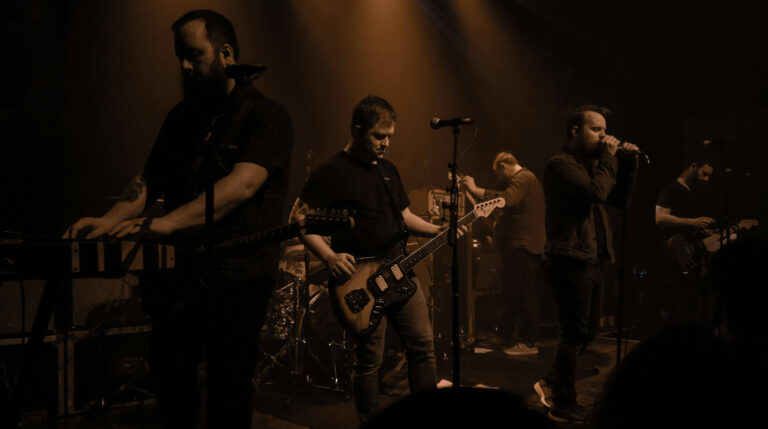
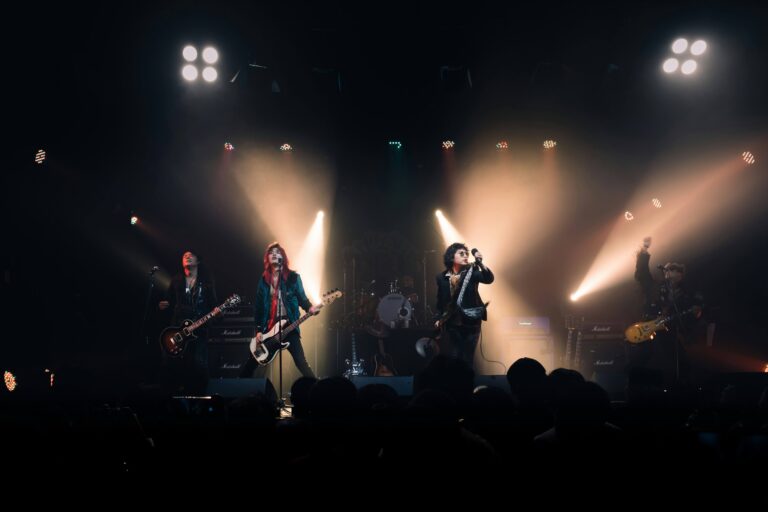
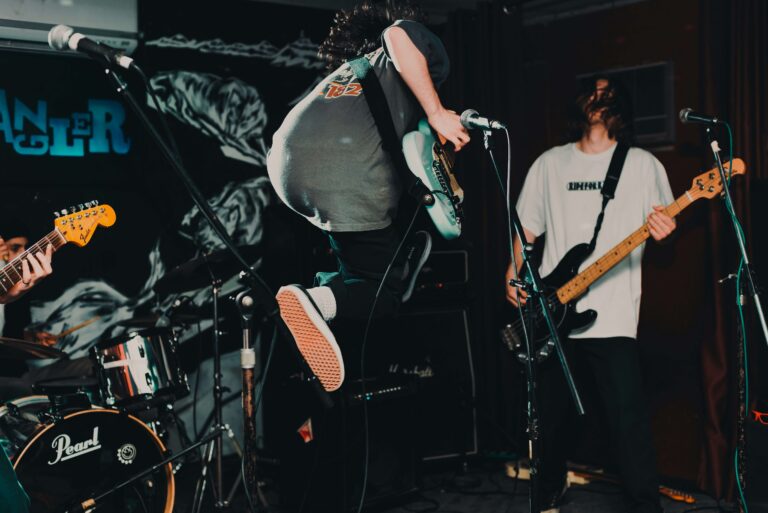
Because while the spotlight was busy chasing chart success, something way more important was happening in the shadows: independent punk musicians were building an entirely different ecosystem. No major labels. No safety net. Just noise, sweat, and a refusal to play by anyone else’s rules.
This wasn’t punk trying to survive.
This was punk figuring out how to thrive without permission.
DIY or Nothing: Building a Scene From Scratch
If you didn’t live through it, it’s hard to fully grasp how DIY the ’90s punk scene really was.
There was no “upload your track and go viral.” No shortcuts. If you wanted people to hear your music, you had to physically make it happen.
That meant:
- Recording on whatever equipment you could afford
- Duplicating tapes by hand
- Mailing demos to strangers
- Booking your own tours through phone calls and zines
And those zines? They were everything. Reviews, interviews, show listings—basically the underground internet before the internet mattered.
Independent labels popped up everywhere, often run out of bedrooms or tiny offices. They weren’t trying to scale. They were trying to survive—and help their bands survive too.
The result? A network of scenes that felt local but were secretly connected.
Sound Without Rules: The Explosion of Subgenres
The best part about the ’90s punk scene is that it didn’t sound like one thing.
It fractured—in the best possible way.
You had:
- Hardcore getting faster and more aggressive
- Emo emerging with raw emotional storytelling
- Post-hardcore experimenting with structure and sound
- Riot grrrl turning punk into a platform for feminist voices
And none of it felt forced.
Bands weren’t chasing trends. They were reacting—to their environment, their emotions, their communities.
That’s why the music still holds up. It wasn’t calculated. It was necessary.
The “Selling Out” Debate: Punk’s Identity Crisis
Then came the tension.
As some punk-adjacent bands started breaking into the mainstream, the scene had to confront a question it had been avoiding:
Can punk exist inside the system it was built to reject?
Some fans said no. Loudly.
Bands that signed to bigger labels were accused of “selling out.” Friendships broke. Scenes split. Debates got heated.
But here’s the thing—this conflict actually strengthened the underground.
It forced independent musicians to double down on what made them different:
- Total creative control
- Direct connection with fans
- Zero compromise
The line between underground and mainstream didn’t just blur—it became a battleground.
Community Over Everything
If there’s one thing that defined the ’90s independent punk scene, it wasn’t the music.
It was the people.
This was a culture built on:
- Letting bands crash on your floor
- Showing up to local gigs no matter what
- Supporting artists even when they sucked (at first)
There was no algorithm deciding what mattered. The community decided.
And that made everything feel more real.
You weren’t just listening to music—you were part of something.
Conclusion: The Blueprint We’re Still Following
Fast forward to today, and it’s kind of wild how much of modern independent music traces back to the ’90s.
Direct-to-fan distribution. DIY releases. Artist-controlled careers.
None of that is new.
It’s just digital now.
But the mindset? That hasn’t changed.
The ’90s punk scene proved that you don’t need permission to create something meaningful—you just need the drive to do it yourself.
And maybe that’s why it still matters.
Because in a world full of shortcuts, that kind of raw effort stands out.
So here’s the question:
Do you think today’s independent artists still capture that same DIY spirit—or has it been diluted by convenience?